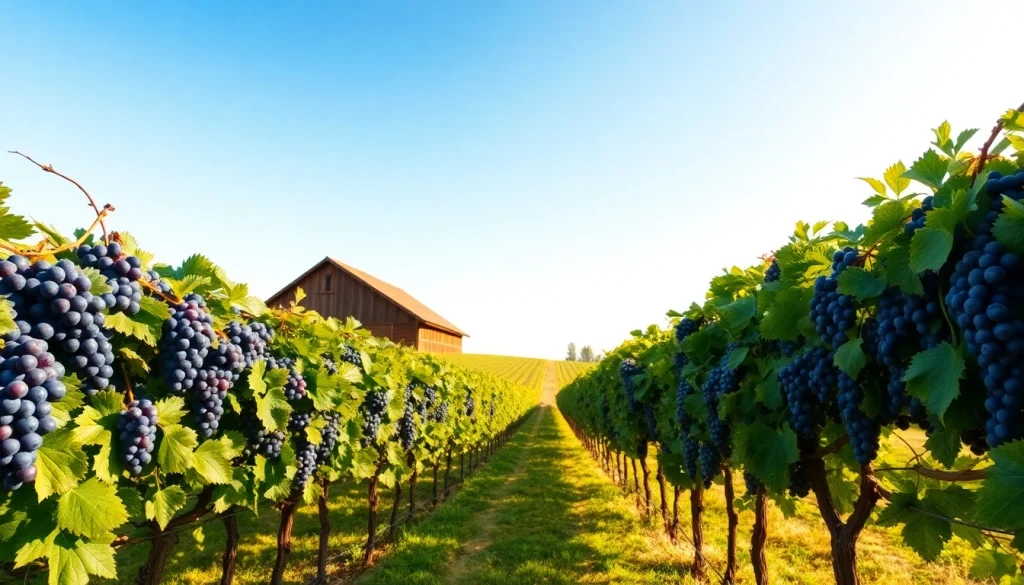
Overview of Sacramento Wineries
The Sacramento region has emerged as a notable player in the wine industry, showcasing an impressive array of wineries and vineyards that cater to wine enthusiasts and casual drinkers alike. Nestled in the heart of California, Sacramento provides the ideal climate and soil for cultivating a diverse range of grape varietals. Whether you’re a connoisseur or a novice, the offerings at Sacramento Wineries can provide an unforgettable experience. This article delves into the intricacies of Sacramento’s wine culture, detailing its history, unique features, and top wineries to visit.
History and Tradition of Winemaking in Sacramento
The history of winemaking in Sacramento dates back to the mid-1800s when the Gold Rush brought a wave of settlers to California. Among them were Italian and German immigrants who brought their winemaking traditions. The region boasted an abundance of vineyards during its early years, earning a prominent reputation for its high-quality wines.
Following the Prohibition era, which severely hampered the industry, the Sacramento area saw a resurgence in winemaking in the late 20th century. This revival was driven by both the dedication of local vintners and the growing interest in artisanal, small-batch wines. Today, Sacramento is recognized not only for its historic contributions but also for its modern innovations, making it a crucial aspect of California’s famed wine country.
Unique Features of Sacramento’s Wine Regions
Sacramento’s wine regions are uniquely characterized by their diverse microclimates, which allow for the cultivation of various grape varieties. The region’s soil composition is notably rich, contributing to the outstanding quality of the grapes. Areas such as the Delta, where the confluence of rivers serves to moderate temperatures, play a significant role in this diversity.
Moreover, many wineries in Sacramento prioritize sustainable farming practices, leading to enhanced biodiversity and improved wine quality. The flourishing agricultural landscape combined with innovative vineyard management sets Sacramento apart as a vibrant and dynamic wine region.
Understanding Different Wine Varieties Produced
The Sacramento region is renowned for a diverse range of wine varietals, including both reds and whites. Notable grape types such as Chardonnay, Zinfandel, Cabernet Sauvignon, and Merlot thrive in the area’s distinct climate. The local wineries often craft wines that express their terroir, allowing each bottle to tell a unique story of the land.
Furthermore, the recent emergence of non-traditional varietals, such as Petite Sirah and Grenache, showcases the region’s willingness to embrace innovation while respecting its historical roots. Each varietal reflects the growing expertise of the local winemakers, inviting wine lovers to explore the exciting flavors that Sacramento has to offer.
Top Sacramento Wineries to Visit
Visitors to Sacramento are met with an impressive selection of wineries that promise excellence in both wine quality and visitor experience. Each winery has its unique charm, setting, and specialties, making it essential to explore the best the region has to offer.
Highlighting Notable Wineries and Their Offerings
Among the highlighted wineries, Effie Yeaw Nature Center Winery stands out for its commitment to conservation and sustainability. Producing a remarkable range of wines while preserving its natural setting, it offers tasting experiences that highlight both wine and nature. Additionally, Chateau Montelena gains recognition for its historic structure and internationally acclaimed Cabernet Sauvignon. Using traditional winemaking techniques, Chateau Montelena showcases the area’s potential through its rich, layered wines.
Tamiscal Winery is another gem, known for its picturesque landscapes and small-production wines. Its garden-like setting provides a serene backdrop for wine tastings, focusing on organic and biodynamic practices. Lastly, Viaggio Estate and Winery hosts a range of events, from corporate gatherings to intimate private tastings, showcasing the fusion of premium wine and exceptional hospitality.
How to Plan Your Vineyard Tour
Planning a vineyard tour in Sacramento can be exhilarating, but it requires forethought to maximize the experience. Begin by researching the different wineries and selecting those that align with your wine preferences. Consider visiting a mix of larger and smaller wineries to appreciate diverse offerings.
Advance reservations are essential, especially during peak tourist seasons. Many wineries provide structured tasting packages and tours that include behind-the-scenes insights into the winemaking process. Don’t forget to plan for transportation; hiring a designated driver or booking a wine tour can ensure a safe and enjoyable experience.
Customer Reviews and Recommendations
Customer testimonials can greatly enhance your winery visit experience. Many wineries boast exceptional reviews highlighting not only the quality of the wines but also the knowledgeable staff and inviting atmospheres. Recommendations often include wine flight selections to try and tips for enhancing the tasting experience. Engage with the winery staff during your visit; they often share insider tips about pairing wines with local cuisine or upcoming events that might interest you.
Wine Tasting Etiquette and Tips
Wine tasting can be both an art and a science, and understanding the etiquette surrounding it enhances the experience for both the taster and the vintner.
Preparing for Your Tasting Experience
Preparation is key to a successful tasting experience. Arrive with an open mind and a willingness to try new varietals. It’s beneficial to eat a light meal beforehand; this helps to cleanse the palate and enhances your tasting ability. Consider bringing a notebook or using your phone to jot down tasting notes, making it easier to remember the wines you enjoyed most.
Common Etiquette in Wine Tastings
During a wine tasting, it is important to practice good etiquette. Approach the tasting bar politely and wait your turn. When sampling wine, take a moment to appreciate the wine’s color, aroma, and taste before forming an opinion. It’s also advisable to avoid swigging back your samples; instead, sip slowly to enjoy the flavor profile fully. If you decide not to finish a tasting pour, it is acceptable to spit it out into a designated receptacle, which is common practice among experienced tasters.
Enhancing Your Tasting Experience
To truly enhance your wine tasting experience, consider pairing your wine with complementary food items. Many wineries offer cheese or charcuterie boards tailored to enhance specific wines. Additionally, don’t hesitate to ask the staff about the winemaking process, food pairings, or the specific vineyards where the grapes were sourced. Their insights can deepen your appreciation for the wine and may lead to a new favorite.
Trends Shaping Sacramento Wineries
The landscape of Sacramento wineries is ever-evolving, marked by new trends that reflect a balance between tradition and innovation.
Sustainable Practices in Winemaking
Sustainability has become a driving force in the winemaking industry, particularly in Sacramento. Many wineries are adopting organic farming practices, utilizing biodynamic techniques, and implementing water conservation methods to improve their environmental impact. This commitment not only enhances the wine quality but also appeals to an increasingly eco-conscious consumer base.
Emergence of New Wine Varietals
As winemakers in Sacramento become more experimental, new varietals are showcasing the region’s diverse grape-growing capabilities. Varietals like Albariño and Grenache are gaining popularity, offering unique tasting experiences that differ from traditional varietals. This evolution presents wine enthusiasts with exciting options, encouraging them to expand their palates.
Impact of Climate Change on Local Wineries
Climate change is significantly impacting the wine industry globally, and Sacramento is no exception. Local wineries are adjusting their practices to adapt to changing weather patterns. This includes exploring different grape varietals that can thrive in warmer temperatures and revising irrigation strategies to ensure consistent grape quality. As the industry faces these challenges, vintners remain committed to finding solutions that prioritize quality and sustainability.
Planning Events at Sacramento Wineries
Sacramento wineries offer beautiful settings for a variety of events, ranging from weddings to corporate functions. The combination of breathtaking views, high-quality wines, and excellent service makes these venues highly sought-after.
Perfect Venues for Weddings and Celebrations
Weddings and other celebrations at Sacramento wineries can be enchanting, with stunning backdrops for ceremonies and receptions. Many wineries provide fully-equipped event spaces, catering services, and wine pairings, ensuring that every detail is carefully attended to. Vineyards’ natural beauty often translates to unique photo opportunities, allowing couples to capture their special day in an idyllic setting.
Corporate Events and Wine Tastings
Sacramento wineries also provide excellent venues for corporate events. Wine tastings can serve as engaging team-building activities or client entertainment options. Many wineries offer professional services for corporate functions, including customized tasting sessions, educational programs about winemaking, and opportunities to network in a relaxed, scenic environment.
Barrel Tastings and Special Events
Barrel tastings and special events at wineries provide unprecedented access to wines that are yet to be bottled. These occasions allow attendees to experience upcoming releases while offering direct interaction with the winemakers. Many wineries also host seasonal festivals, vineyard tours, and workshops, providing unique insights into the winemaking process and enhancing the community’s connection to the wine culture.