
Introduction
If you’re searching for natural color with dramatic depth and breathtaking intensity, Logwood dye is one of the most powerful tools available to textile artists. Known for creating rich purples, smoky blues, and true botanical blacks, Logwood dye offers an extraordinary color range that few natural dyes can match. Whether you’re a beginner experimenting with plant-based dyes or an experienced artisan refining your craft, mastering the right techniques is key to achieving bold, striking shades. With the right approach, Logwood dye can transform simple fibers into stunning works of color.
Why Logwood Dye Creates Such Bold Shades
The strength of Logwood dye comes from hematein, its naturally occurring pigment. This compound binds strongly to natural fibers and reacts beautifully with various mordants, allowing dyers to effortlessly shift between light lavender tones and deep, dramatic blacks.
The Botanical Origin
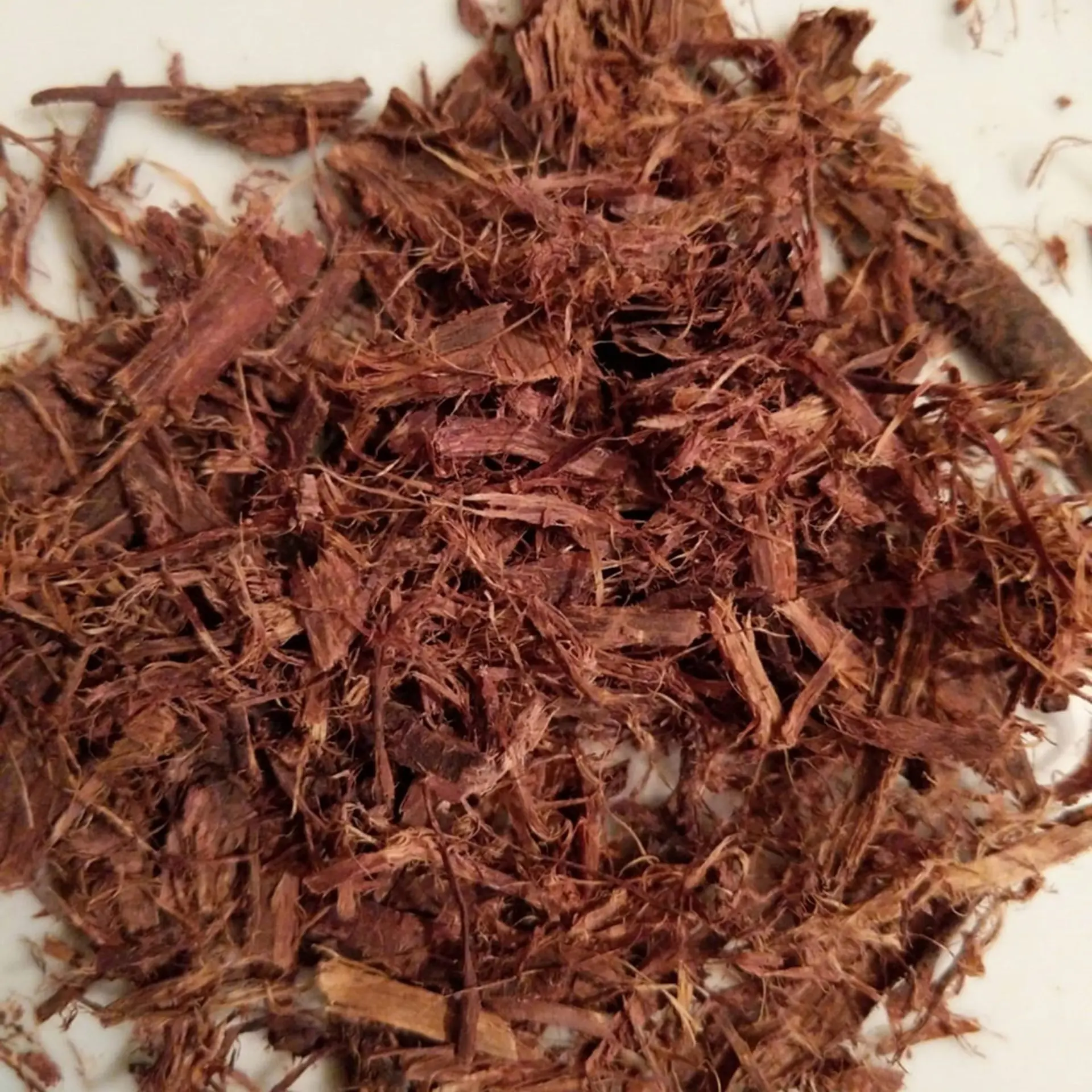
Extracted from the heartwood of the Haematoxylum campechianum tree, Logwood dye has a long history of use in textile traditions worldwide. Its high pigment concentration makes it ideal for bold shades used in garments, yarn, and artistic textiles.
Preparing Your Fabric or Fiber
Proper preparation is essential for achieving intense colors with Logwood dye. Without clean, properly mordanted fibers, the dye cannot penetrate effectively.
Scouring for Maximum Absorption
Before applying Logwood dye, fibers must be scoured to remove dirt, oils, and waxes. This ensures that the dye binds evenly, producing rich and balanced tones.
Choosing Mordants for Bold Results
Mordants determine how Logwood dye behaves during the dyeing process.
- Alum: Produces bright, clear purples
- Iron: Dramatically deepens the tone, turning Logwood dye into blue-blacks or nearly jet black
- Copper: Adds cool, subtle blue undertones
Using the right mordant sets the foundation for bold, saturated color.
Techniques for Achieving Deep and Intense Shades
Different approaches to using Logwood dye can dramatically influence the final outcome. By experimenting with timing, temperature, and modifiers, you can reveal the full potential of this powerful natural dye.
Strong Dye Extraction
To achieve bold shades, start by preparing a strong extraction of Logwood dye. Longer simmering times create a more concentrated bath, which enhances color intensity.
Multi-Layer Dyeing
One of the best techniques for richer color is layering. Immersing fibers multiple times in fresh Logwood dye baths builds deeper tones and adds visual complexity.
Iron-Enhanced Dyeing
If your goal is deep gray or black, add iron during or after dyeing. Iron reacts strongly with Logwood dye, producing dramatic shades ideal for statement textiles.
Heat-Controlled Dyeing
Heat plays a major role in developing color.
- Higher heat: Produces deeper, bolder tones
- Lower heat: Creates softer purples and lighter shades
Controlling the temperature lets you fine-tune the results of Logwood dye.
Creating Specialty Shades with Logwood Dye
Logwood dye offers a remarkable palette, especially when combined with modifiers and various dyeing methods.
Intense Purples
To achieve bold purples, combine alum mordant with a strong Logwood dye bath. Extend the immersion time for maximum saturation.
Smoky Blues
Introduce a copper modifier to shift Logwood dye toward blue-violet tones with a smoky, atmospheric quality.
Botanical Blacks
For the darkest possible shade, use iron mordant and layer multiple rounds of Logwood dye. This technique produces one of the richest natural blacks available.
Gray-Violet Shades
Light modifications with iron or post-bath adjustments create elegant gray tones with a subtle violet cast.
Fiber Types That Respond Best
Some fibers absorb Logwood dye more readily and produce deeper, richer results.
Ideal Fiber Choices
- Wool: Naturally porous and perfect for deep absorption of Logwood dye
- Silk: Reflects rich pigments beautifully, enhancing bold tones
- Cotton: Produces softer but still expressive purples
- Linen: Shows earthy, muted versions of bold shades
Wool and silk, in particular, are prized for creating the most intense results with Logwood dye.
Maintaining Bold Logwood-Dyed Shades
To preserve the dramatic colors achieved with Logwood dye, proper care is essential.
Care Tips
- Wash with cool water and mild, pH-neutral soap
- Keep items out of prolonged sunlight
- Air dry in the shade to prevent fading
- Store away from direct light and heat
With the right care, bold Logwood dye shades remain stunning for years.
Inspiring Projects for Bold Logwood Dye Effects
The dramatic tones achieved with Logwood dye are ideal for eye-catching and artistic textile projects.
Creative Applications
- Statement shawls and scarves
- Deeply dyed handspun yarn
- Art textiles featuring gradient effects
- Black or purple garments for slow-fashion collections
- Decorative fabrics for home décor
Bold shades from Logwood dye bring both beauty and character to every creation.
Conclusion
Achieving bold, expressive color with Logwood dye is a rewarding experience for any natural dyer. With the right preparation, mordants, and techniques, you can unlock its full creative potential—from striking purples to dramatic blacks. Whether crafting garments, yarn, or artistic textiles, Logwood dye offers depth, power, and natural beauty. Explore new techniques, experiment boldly, and let Logwood dye bring vibrant dimension to your dyeing journey.