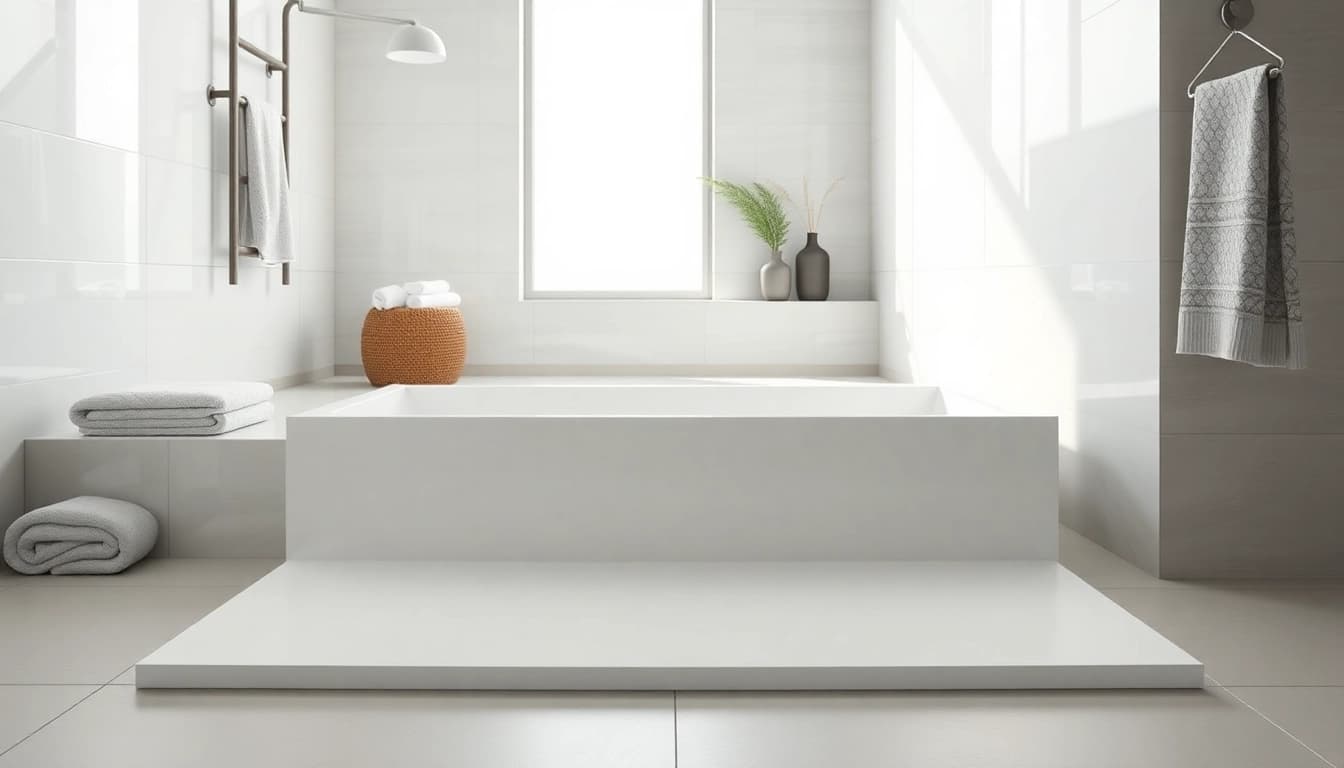
Introduction to Shower Bases
Definition and Importance
A shower base serves as the foundation of any shower installation, providing a watertight space to contain water flow and prevent leaks. Also known as a shower pan, it sits beneath the tiles or surface finish to channel water towards the drain. Selecting the right shower base is crucial as it plays a significant role in the overall functionality and aesthetic appeal of your bathroom.
Types of Shower Bases
Shower bases come in various types, each offering distinct benefits to suit different needs and preferences. The most common types include:
- Acrylic Shower Bases: These are lightweight, durable, and often available in various designs and colors. They are easy to clean and resistant to chipping.
- Fiberglass Shower Bases: Typically economical, fiberglass bases are flexible but can be prone to wear over time. They provide a smooth surface for easy maintenance.
- Stone Shower Bases: For those seeking luxury, stone bases (marble, granite, etc.) offer elegance and natural beauty. However, they typically require more maintenance.
- Custom Shower Bases: Made to fit specific dimensions, these can be fabricated from various materials based on individual design preferences.
Choosing the Right Material
The choice of material for a shower base can significantly affect durability, maintenance, and cost. When selecting a material, consider the following:
- Durability: Some materials withstand wear and tear better than others. Stone bases may last longer but require more upkeep.
- Budget: Consider how much you're willing to spend. Acrylic and fiberglass options tend to be more budget-friendly than custom stone bases.
- Maintenance: Assess how much effort you're willing to invest in keeping the material clean and functional.
Benefits of Upgrading Your Shower Base
Enhanced Aesthetics
Upgrading your shower base can dramatically improve the overall aesthetic of your bathroom. A modern shower base can complement existing decor or set the tone for a complete renovation. Options like stone or custom designs can offer a touch of luxury, while lighter colored acrylic bases can make the space feel larger and brighter.
Increased Functionality
A new shower base can enhance the functionality of your shower by integrating features such as slip-resistance, easy-access entry, and compatible drainage systems. For instance, low-profile bases allow for easy stepping in and out, making them suitable for all ages, especially those who may have mobility concerns.
Improved Durability
Investing in a high-quality shower base can lead to fewer repairs and replacements down the line. High-grade materials offer better resistance against cracks, scratches, and mold, ensuring that your shower area maintains its pristine appearance and functionality over time.
Factors to Consider When Selecting a Shower Base
Size and Space Requirements
Before selecting a shower base, accurately measure your shower space. Consider dimensions and how they will fit in relation to the rest of the bathroom. A proper fit ensures ease of movement and optimal use of space. You might also want to plan around shower doors or curtains to make sure everything aligns perfectly.
Installation Guidelines
Proper installation is critical for a shower base to function correctly. Depending on your skill level, you may opt for a DIY installation or hire a professional. Key installation guidelines include:
- Ensure a level subfloor to avoid pooling and drainage issues.
- Use the recommended sealants and adhesives to prevent leaks.
- Follow the manufacturer's instructions closely for specific installation requirements.
Maintenance and Care
The longevity of your shower base heavily depends on regular maintenance. Routine cleaning with non-abrasive cleaners can prolong the life of the base. Avoid harsh chemical cleaners that can degrade some materials. Regularly inspect for signs of wear and tear, such as cracks or gaps, which can lead to leaks.
Common Challenges with Shower Bases
Water Leakage Issues
Water leakage is one of the most common challenges experienced with shower bases. Poor installation or damaged seals can cause water to seep into areas where it shouldn't be. Regular inspections and maintaining a robust seal during installation can mitigate these issues significantly.
Cracks and Damage
Over time, bases can develop cracks due to stress, thermal changes, or impacts. Acrylic and fiberglass bases are particularly susceptible to this. Employing gentle cleaning methods and avoiding heavy impacts can help maintain your base's integrity.
Slipping Hazards
Slip hazards can pose a safety risk, especially in a wet environment like a shower. Many modern bases come with textured surfaces for added grip. If upgrading an existing base, consider adding non-slip mats or strips to enhance safety.
FAQs about Shower Bases
How do I choose the right size for my shower base?
Measure your shower space accurately, considering any fixtures or doors to ensure a proper fit.
What materials are best for a shower base?
Popular choices include acrylic, fiberglass, and stone, each offering unique benefits and aesthetics.
How do I prevent water leaks from my shower base?
Ensure proper installation with seals and caulking, and regularly check for wear and tear.
Can I install a shower base myself?
DIY installation is possible with clear instructions, but professional help ensures optimal results.
What is the lifespan of a shower base?
Quality shower bases can last between 10 to 30 years, depending on the material and maintenance.