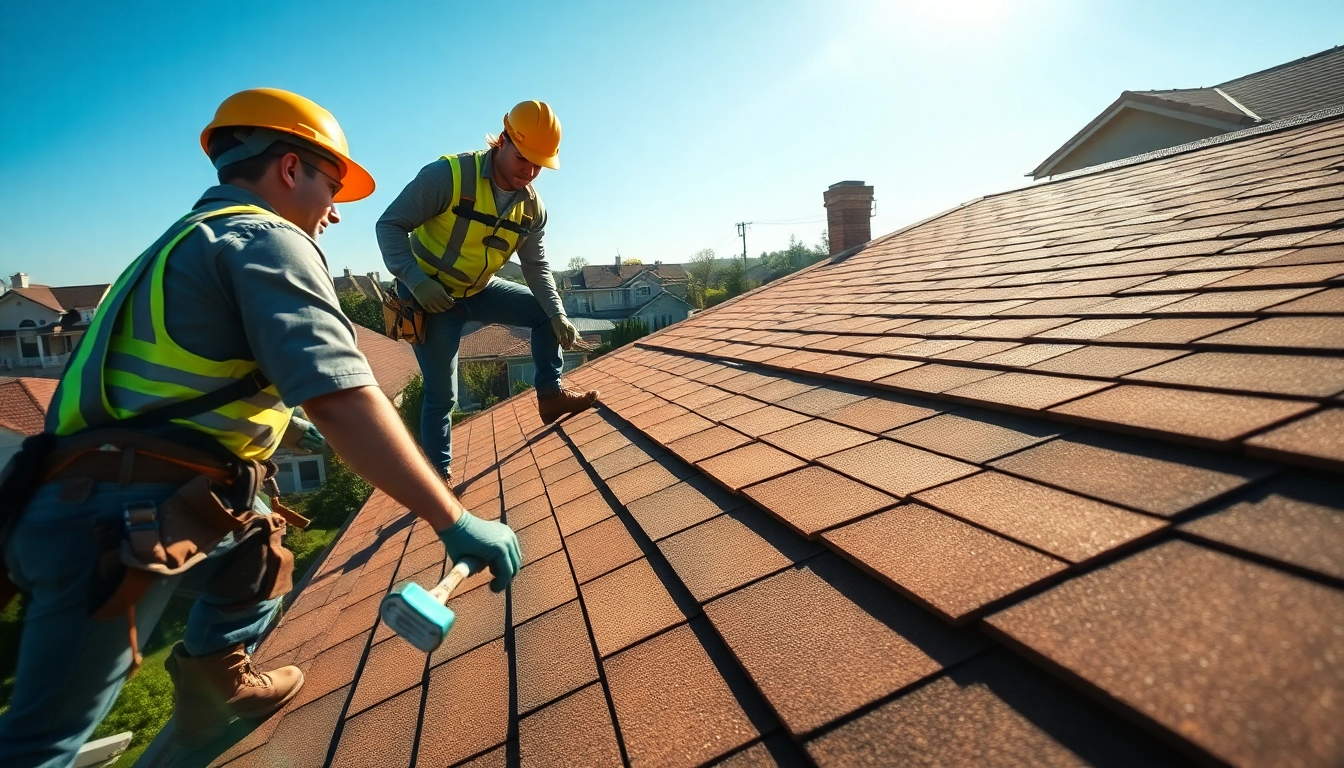
The Importance of High-Quality Roofing Solutions
Roofing is one of the most crucial aspects of a property, serving both functional and aesthetic purposes. A well-built roof protects your home from the elements, enhances energy efficiency, and contributes significantly to your home’s curb appeal. When it comes to roofing, choosing high-quality roofing solutions is vital to ensuring long-term durability and performance. In this comprehensive guide, we will explore various aspects of roofing, including materials, installations, problems, and maintenance.
Understanding Roofing Materials
The choice of roofing materials can drastically affect the longevity and effectiveness of a roof. Understanding the different types of materials available is critical for homeowners faced with making an informed decision. Here’s an overview of commonly used roofing materials:
- Asphalt Shingles: Widely popular due to their affordability and ease of installation, asphalt shingles come in various styles and colors. They typically last around 20-30 years and offer decent weather resistance.
- Metal Roofing: Known for its robustness and longevity, metal roofing can last over 50 years. It is energy efficient, fire resistant, and less prone to severe weather damage.
- Wood Shingles: Providing a natural appearance, wood shingles are aesthetically pleasing but require more maintenance than other materials. They have a lifespan of around 30 years but can be more susceptible to mold and rot.
- Slate Roofing: Slate is the epitome of high-quality roofing materials, with a lifespan of up to 100 years. However, its weight and cost can be a deterrent for some homeowners.
- Tile Roofing: Available in clay or concrete, tile roofing is known for its durability and resistance to rot. It provides a classic look but can be quite heavy and more expensive.
Benefits of Quality Installations
Even the best roofing materials can underperform if not installed properly. Quality installation is paramount for several reasons:
- Enhanced Longevity: Professional installation ensures that materials are applied correctly, maximizing their lifespan.
- Better Weather Resistance: Skilled roofers understand how to tackle various weather challenges, from wind uplift to snow drainage, ensuring the roof can withstand the elements.
- Warranty Protection: Quality installation typically comes with a warranty that can protect against premature failure, giving homeowners peace of mind.
- Increased Home Value: A professionally installed roof enhances property value, appealing to potential buyers who prioritize quality.
Common Roofing Problems and Solutions
Roofing problems can arise from various sources, including poor installation, weather conditions, and material aging. Here are some common issues homeowners may face along with possible solutions:
- Leaks: Common causes of roof leaks include damaged shingles or improper flashing. Homeowners should conduct regular inspections and seek prompt repairs.
- Poor Ventilation: Insufficient ventilation can lead to heat buildup and moisture accumulation. Installing vents can improve air circulation and protect the roof structure.
- Debris Buildup: Leaves and debris can trap moisture, leading to mold growth and deterioration. Regular cleaning is essential for maintaining roof health.
- Granule Loss: Asphalt shingles may lose granules due to aging. If a significant number are lost, replacement may be necessary.
Choosing the Right Roofing Material
Selecting the right roofing material is crucial for both functionality and aesthetics. Below are factors to consider when making your choice:
Comparing Asphalt vs. Metal Roofing
Asphalt and metal roofing are two of the most frequently chosen materials. Each has unique advantages and drawbacks:
- Cost: Asphalt roofing is generally less expensive upfront, while metal roofing can be pricier but may save money in the long run through lower maintenance costs.
- Durability: Metal roofing holds a significant edge in longevity and weather resistance, often lasting twice as long as asphalt shingles.
- Appearance: Asphalt comes in more styles and colors, while metal roofing is often perceived as more industrial unless specifically designed otherwise.
Eco-Friendly Roofing Options
With increased awareness surrounding sustainability, many homeowners are considering eco-friendly roofing solutions. Here are some options:
- Solar Tiles: These tiles generate electricity while providing protection, though they come with a higher initial investment.
- Cool Roofs: Made from reflective materials, cool roofs help reduce heat absorption, contributing to lower cooling costs.
- Recycled Materials: Various roofing materials made from recycled products, such as rubber or metal, present sustainable choices without sacrificing quality.
Cost Considerations for Various Materials
When budgeting for a new roof, it’s essential to weigh the cost against potential benefits and lifespan. Typical costs may vary based on:
- Material type (asphalt may range from $100 to $200 per square, while metal can range from $300 to $700).
- Installation labor costs, which can also vary regionally.
- Potential long-term savings from durability and reduced energy bills associated with energy-efficient roofing options.
Evaluating Roofing Contractors
Finding the right roofing contractor is paramount to ensuring quality workmanship. Here are key aspects to consider:
Key Qualities of Reliable Roofers
When searching for a roofing contractor, look for the following qualities:
- Experience: Established contractors typically possess the knowledge and skill needed to manage complex roofing projects.
- Licensing and Insurance: A reputable roofer should have proper licensing and insurance to protect workers and homeowners alike.
- References and Reviews: Checking online reviews and reached out to previous clients can provide insights into a contractor's reliability and quality.
What to Ask Before Hiring
To get a clearer picture of a contractor’s abilities, consider asking the following questions:
- What type of warranties do you offer on materials and labor?
- Can you provide detailed written estimates?
- Do you have experience with my preferred roofing material?
- How will you manage waste and debris during the project?
Checking Credentials and References
Prior to hiring a contractor, verifying credentials is essential. Ensure the contractor is licensed in your area and hold necessary insurance. Additionally, asking for a list of references can help you assess their past work quality and client satisfaction.
Maintaining Your Roof for Longevity
Proper maintenance is crucial for maximizing a roof's lifespan. Below are tips for effective upkeep:
Regular Inspection Checklist
Homeowners should inspect their roof regularly, ideally twice a year, as well as after severe weather events. An effective checklist includes:
- Checking for missing or damaged shingles.
- Ensuring gutters are free from debris and flowing properly.
- Inspecting for signs of moss, mold, or rot, especially in humid areas.
Timely Repairs vs. Replacement
Understanding when to repair or replace your roof can save homeowners money and stress. Key factors include:
- Extent of damage: Minor leaks or missing shingles can often be repaired.
- Roof age: If a roof is nearing the end of its expected lifespan, replacement may be more cost-effective in the long run.
- Insurance coverage: Knowing how your insurance policy applies can help determine if repairs or replacement is feasible.
Seasonal Maintenance Tips
Each season brings its own challenges for roofing. Here are seasonal maintenance tips:
- Spring: Inspect for winter damage, clean gutters, and trim nearby trees.
- Summer: Check ventilation and ensure the roof is not overheating.
- Fall: Clear leaves and debris; prepare for winter weather.
- Winter: Ensure snow does not accumulate excessively on the roof.
Financing Your High-Quality Roofing Solutions
Investing in a new roof can be a considerable financial commitment. Below are strategies to manage costs effectively:
Understanding Roofing Costs
Gaining a thorough understanding of roofing costs involves factor consideration including:
- The type of material selected and its longevity.
- Labor costs associated with installation.
- Potential hidden costs, such as rotten decking discovered during the installation.
Insurance Claims and Roofing
Filing a claim following storm damage can help mitigate costs. Here’s a quick guide:
- Document damage through photos.
- Review your policy to understand what damage is covered.
- Contact your insurance company immediately to report the claim and get the process initiated.
Financing Options and Payment Plans
Numerous financing options are available, including:
- Home equity loans that allow you to tap into your home’s value.
- Financing through roofing companies offering payment plans.
- Government programs for energy-efficient roofing options.
Conclusion
Investing in high-quality roofing solutions can make all the difference in your home’s durability, efficiency, and aesthetic appeal. By understanding materials, evaluating contractors, and maintaining your roof, you can enjoy lasting benefits and peace of mind. Whether you are considering a new roof installation or simply want to ensure the upkeep of your current roof, this comprehensive approach will help you make informed decisions on your roofing journey.