Understanding Structural Steel Installation
Defining Structural Steel and Its Importance
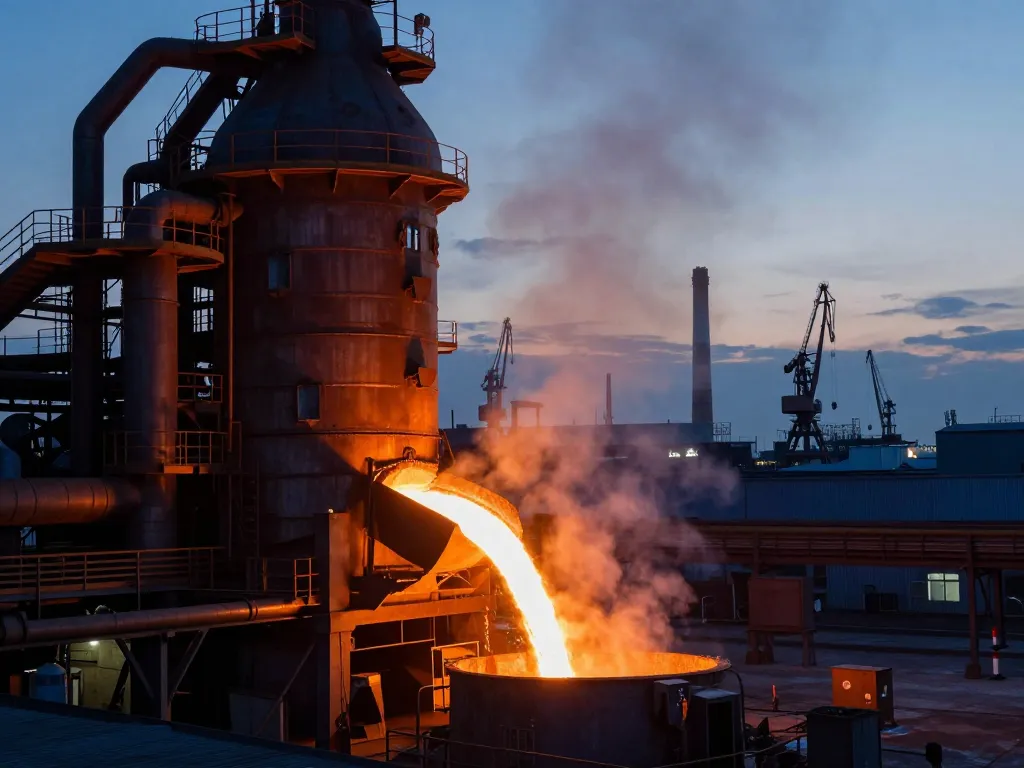
Structural steel is a category of steel used as a construction material for making structural frames and supports of buildings and other infrastructures. It is characterized by its strength, durability, and versatility, making it an essential component in modern construction. The properties of structural steel allow it to resist deformation and bear heavy loads, providing stability and safety in various applications. This material plays a significant role in both residential and commercial projects, enabling the construction of skyscrapers, bridges, and industrial facilities, contributing to efficient resource utilization and sustainability in the building sector. Furthermore, a well-executed structural steel installation project not only ensures safety and resilience but also enhances the aesthetic appeal of the structure, paving the way for innovative architectural designs.
Basic Components of Structural Steel Installation
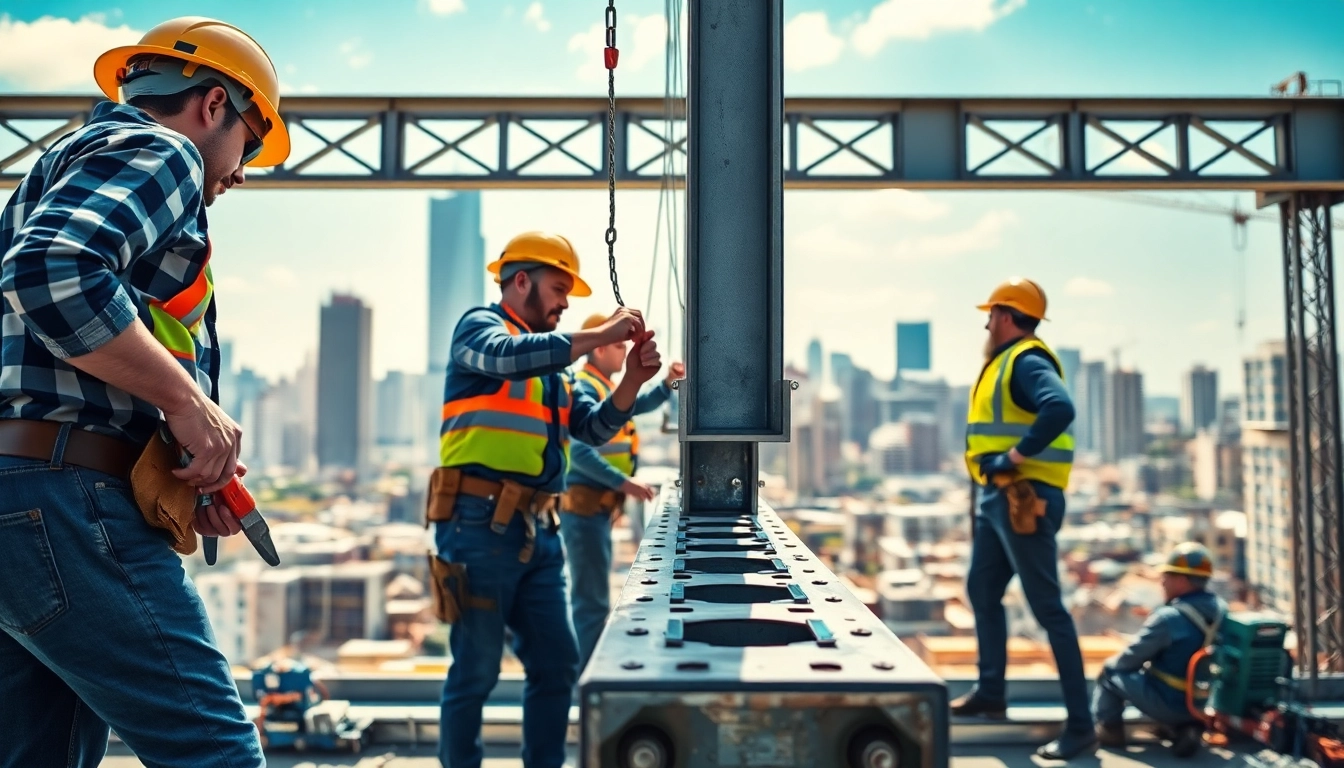
The installation of structural steel involves various components that work together to create a stable framework. These components include beams, columns, trusses, and braces. Beams span horizontally and support vertical loads transferred from the roof or floors, while columns provide vertical support and transfer loads to the foundation. Trusses consist of triangular units that distribute loads across various points, making them ideal for larger structures. Braces enhance stability by preventing lateral movement. Understanding these components is crucial for effective installation and ensuring the overall integrity of the structure.
Common Applications in Modern Construction
Structural steel's applications are widespread in the construction industry. It is the backbone of high-rise buildings, where its strength is essential for supporting multiple floors and large spans. In commercial warehouses, structural steel allows for open spaces free of obstructions, optimizing storage efficiency. Bridges utilize structural steel's corrosion resistance and load-bearing capabilities to support vehicle and pedestrian traffic across extensive distances. Additionally, in the manufacturing and energy sectors, steel structures are used for factories and power plants, facilitating robust operations while complying with safety and environmental standards.
Planning Your Structural Steel Installation Project
Assessing Project Requirements and Scope
Before embarking on a structural steel installation project, thorough planning is paramount. Assessing the project's requirements involves understanding the design specifications, load calculations, and compliance with local building codes. Engaging with stakeholders, including architects, engineers, and project managers, ensures that all perspectives are considered. A detailed scope of work should cover timelines, budget constraints, and material specifications, allowing for a well-organized approach that mitigates risks and enhances project outcomes.
Choosing the Right Steel Types and Grades
Choosing the appropriate type and grade of steel is critical for the project's success. Various steel grades are formulated to withstand different stress levels and environmental conditions. For instance, ASTM A36 provides excellent weldability for structural applications, while ASTM A992 is commonly used for steel buildings, known for its excellent strength and fabrication characteristics. Factors such as corrosion resistance, tensile strength, and weight-bearing capacity must be evaluated to select the right materials that align with project specifications. Consulting with steel suppliers can provide valuable insights into the latest materials available on the market.
Collaborating with Engineers and Architects
Collaboration between engineers and architects is essential for a successful structural steel installation project. Engineers are responsible for ensuring that the structure's design meets safety and performance standards, while architects focus on aesthetics and functionality. Regular meetings and open communication channels can facilitate efficient planning, identify potential design conflicts, and optimize the use of materials. Innovations in building information modeling (BIM) technology can enhance this collaboration by providing a digital representation of the project, making it easier to visualize and modify designs before construction begins.
Best Practices for Structural Steel Installation
Safety Protocols and Compliance Standards
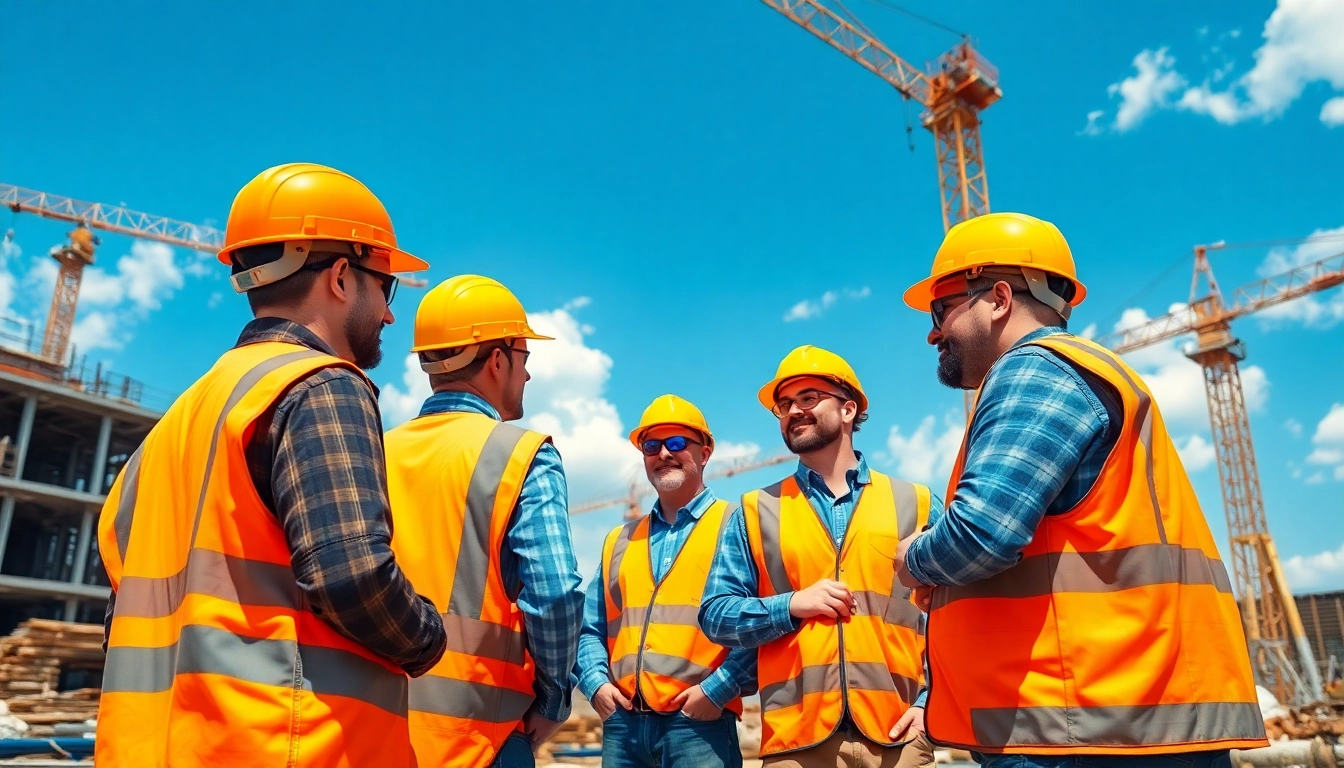
Safety is a paramount concern in structural steel installation. Adhering to safety protocols and compliance standards, such as OSHA regulations, ensures the wellbeing of all personnel involved in the project. Safety training programs should be mandatory for all workers, emphasizing awareness of site hazards, proper use of equipment, and emergency procedures. Implementing a safety management system that includes regular inspections, safety checklists, and incident reporting can significantly reduce accidents on site, ultimately leading to a more efficient and secure working environment.
Techniques for Precise Assembly and Alignment
Precision in the assembly and alignment of structural steel elements is vital. Techniques such as the use of lasers for leveling and alignment help ensure that components are placed accurately. It is crucial to follow a clear sequence of assembly, starting with the installation of columns, followed by beams, and finally, trusses or braces. Using temporary supports during assembly can prevent structural failures and assist in achieving proper alignments. Quality control checks throughout the process can catch errors early, saving time and resources.
Utilizing Technology and Equipment Effectively
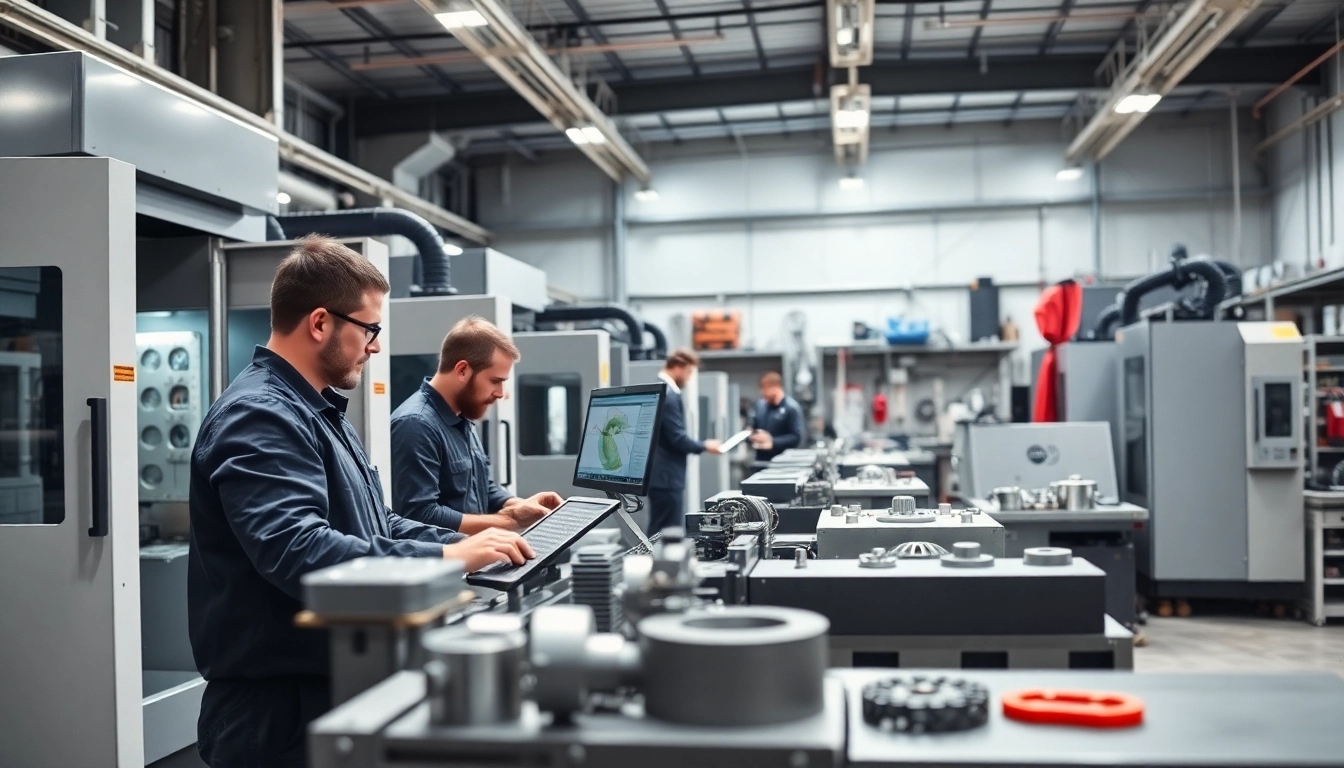
The integration of technology and modern equipment enhances the efficiency and accuracy of structural steel installation. Advanced construction equipment, such as cranes and hoisting systems, allows for the safe lifting and positioning of heavy steel members. Additionally, software tools designed for structural analysis and design planning can streamline the process by providing essential calculations and simulations. The adoption of drones for site inspections can also be beneficial, providing real-time data on progress and identifying potential issues that may arise during installation.
Challenges in Structural Steel Installation
Addressing Material and Supply Chain Issues
One of the most prevalent challenges in structural steel installation is the management of materials and supply chain logistics. Delays in steel delivery can significantly impact project timelines and costs. To mitigate these risks, it is essential to establish strong relationships with suppliers and employ just-in-time inventory systems that facilitate timely procurement. Additionally, diversifying suppliers can reduce dependency on any single source and allow for an adaptive response to market changes or unexpected disruptions in the supply chain.
Dealing with Weather and Site Conditions
Weather and site conditions can pose significant challenges during steel installation. Rain, wind, and extreme temperatures can hinder work progress and affect the integrity of the installation. Implementing contingency plans that account for adverse weather conditions is necessary. This includes scheduling critical installations during favorable conditions and ensuring proper protective measures, such as temporary coverings to shield steel from corrosion or fire hazards. Regular site assessments can help anticipate and respond to changing conditions proactively.
Overcoming Labor Skill Gaps
The construction industry often faces labor skill gaps, especially in specialized areas like structural steel installation. To combat this issue, companies should invest in training and apprenticeship programs aimed at developing the necessary skills in the workforce. Collaborating with trade schools and community colleges can provide a steady pipeline of trained workers who are job-ready. Additionally, implementing mentorship programs where experienced workers guide novices can enhance knowledge transfer and build a skilled workforce committed to quality workmanship.
Measuring Success in Structural Steel Installation
Key Performance Metrics to Monitor
Monitoring key performance metrics is crucial for assessing the success of a structural steel installation project. Metrics to consider include project timelines, budget adherence, safety incident rates, and quality control failure rates. Additionally, tracking labor productivity and material wastage can provide insights into operational efficiency. Regularly evaluating these metrics throughout the project lifecycle allows for timely interventions, ensuring that the project stays on track and within budget while maintaining high safety and quality standards.
Evaluating Project Completion and Quality Control
Upon project completion, a comprehensive evaluation is essential to determine whether the installation met the initial design and quality standards. Quality control processes should involve thorough inspections and tests of structural integrity, ensuring that all components are installed as per the specifications. Engaging third-party inspectors can provide an unbiased assessment, enhancing stakeholder confidence in the project. Documenting lessons learned during the evaluation process can provide valuable insights for future projects, fostering a culture of continuous improvement.
Continuous Improvement Strategies for Future Projects
Implementing continuous improvement strategies ensures that lessons learned and best practices inform future structural steel installation projects. This can include periodic reviews of processes, soliciting feedback from team members, and staying abreast of industry advancements and emerging technologies. Participating in professional organizations can also provide access to training sessions and workshops that focus on innovative practices in steel installation. By cultivating a proactive approach to improvement, companies can enhance efficiency, reduce costs, and elevate overall project quality.