Overview of Austin Construction Trends
Austin's construction landscape is a vibrant reflection of the city's rapid growth and ever-evolving urban environment. In recent years, Austin construction has been booming, driven by a surge in population and a flourishing economy. This article explores the current market trends, the impacts of population growth, and key players involved in shaping the region's construction industry.
Current Market Analysis
The Austin construction market has experienced a transformative period over the past decade, characterized by substantial urban development and increasing demand for commercial and residential projects. Recent reports indicate that Austin has become the fastest-growing large metropolitan area in the United States, with a population growth of approximately 10.9% from 2020 to 2024.
As one of the significant recipients of migration from both within Texas and other states, the demand for housing units such as apartments and single-family homes has skyrocketed. Multiple factors contribute to this trend, including the influx of technology companies and a strong job market that attracts a diverse workforce. Consequently, construction work has intensified, with thousands of permitting requests and ongoing projects across various sectors.
Impact of Population Growth
Population growth directly impacts the construction industry by increasing demand for housing, commercial spaces, and infrastructure. The demographic influx is not only from families and young professionals but also from tech workers seeking opportunities in a city known for its innovation. For instance, the Texas economy's expansion has aided Austin in establishing itself as a tech hub, prompting companies to invest in new offices and commercial buildings to accommodate their staff.
Infrastructure projects are also on the rise, with city officials striving to enhance the transportation system to support the growing population. Major highways and public transit systems are undergoing upgrades to alleviate traffic congestion, reflecting the city's commitment to creating a well-connected urban environment.
Key Industry Players
Numerous companies are instrumental in shaping the Austin construction scene. Local giants such as Austin Industries are actively involved in commercial and industrial projects across the region. With more than 7,000 employee-owners, they have become a major player, specializing in various sectors, including civil, commercial, and industrial construction.
Other notable firms include Austin Construction Services, which focuses on health care, high-rise buildings, and corporate offices. Their expertise and successful project deliveries solidify their reputation in the industry. Additionally, numerous smaller firms cater to niche markets, delivering customized solutions for residential needs, particularly in remodeling and renovation projects.
Types of Construction Projects in Austin
Austin's construction portfolio encompasses a range of project types, from residential developments to extensive infrastructure works. Understanding these categories can provide insights into the overall direction and demands of the market.
Residential Developments
The residential sector in Austin is thriving, driven by the city's affordability relative to other tech-centric regions and its vibrant culture. Single-family homes and multi-family apartment complexes dominate the scene as the demand for housing surges. New residential projects are characterized by modern designs that enhance livability and take into account sustainability practices.
High-rise apartment buildings have become increasingly popular, responding to urban density needs. Projects like the ongoing construction in downtown Austin highlight a commitment to maximizing space within the city while catering to a diverse population. Developers are focusing on energy-efficient building practices, incorporating eco-friendly materials and technologies that align with modern sustainability goals.
Commercial Construction
Commercial construction is another area experiencing significant growth in Austin. As corporations continue to establish presence within the city, the demand for office spaces has risen sharply. New skyscrapers and modern office complexes are reshaping the skyline and accommodating an ever-expanding workforce.
Moreover, commercial developments are prioritizing mixed-use designs to create vibrant, community-oriented environments. Incorporating retail spaces and amenities into office buildings reflects a broader trend of enhancing work-life balance. For instance, prominent projects like The Domain and Mueller Development highlight this trend, offering employees and residents access to recreational areas and dining options within walking distance.
Infrastructure Projects
Infrastructure plays a crucial role in supporting Austin's growth, with various projects designed to enhance transportation systems and public amenities. Recent investments in transportation infrastructure aim to address commuter challenges resulting from rapid population growth.
The Austin-Bergstrom Airport expansion project is a key example, with ongoing construction aimed at increasing capacity and improving services for travelers. Projects like this not only bolster the local economy but also position Austin as a more connected city on a national and international scale.
Challenges Faced by the Austin Construction Industry
As the Austin construction industry flourishes, it is not without its challenges. Various factors can impede progress and present obstacles to developers and contractors alike.
Sustainability and Environmental Concerns
With growth comes a growing responsibility toward sustainability. As more projects get underway, the construction industry faces increasing scrutiny surrounding environmental impact. Balancing economic development with ecological preservation is a significant challenge. Developers are now more frequently tasked with implementing sustainable practices and materials, as clients and city regulations demand higher standards.
Incorporating renewable energy systems, using recycled materials, and creating green spaces are becoming standard practices to meet consumer expectations and contribute to long-term environmental goals. However, costs associated with sustainable construction can be higher than conventional methods, presenting financial challenges for many developers.
Labor Shortages
The construction workforce is also grappling with shortages, which can delay project timelines and inflate costs. The ongoing skills gap exacerbated by an aging workforce has made it difficult to find trained professionals in trades such as carpentry, plumbing, and electrical work. While many contractors are working to attract new talent, high training costs and limited outreach to younger demographics are barriers that need addressing.
To combat this issue, various industry stakeholders are advocating for scholarships and training programs to encourage more individuals to enter the construction field. Collaboration with local colleges and vocational schools can facilitate a more skilled workforce and provide a sustainable pipeline for future projects.
Regulatory Hurdles
Navigating regulatory landscapes remains a perennial challenge for construction in Austin. Development regulations, zoning laws, and permitting processes can be complex and time-consuming, impacting the speed with which projects can move from conception to completion. Developers may find themselves thwarted by bureaucratic red tape that can lead to increased costs and longer project timelines.
To hope to mitigate this challenge, fostering collaboration between developers, city officials, and planning agencies can lead to streamlined processes and clearer guidelines. Increased transparency can foster a better understanding of requirements, ultimately benefiting all parties involved.
Best Practices for Success in Austin Construction
In striving to achieve success within the Austin construction landscape, industry stakeholders can benefit from adopting best practices that have been proven effective in the current market.
Emphasizing Safety Standards
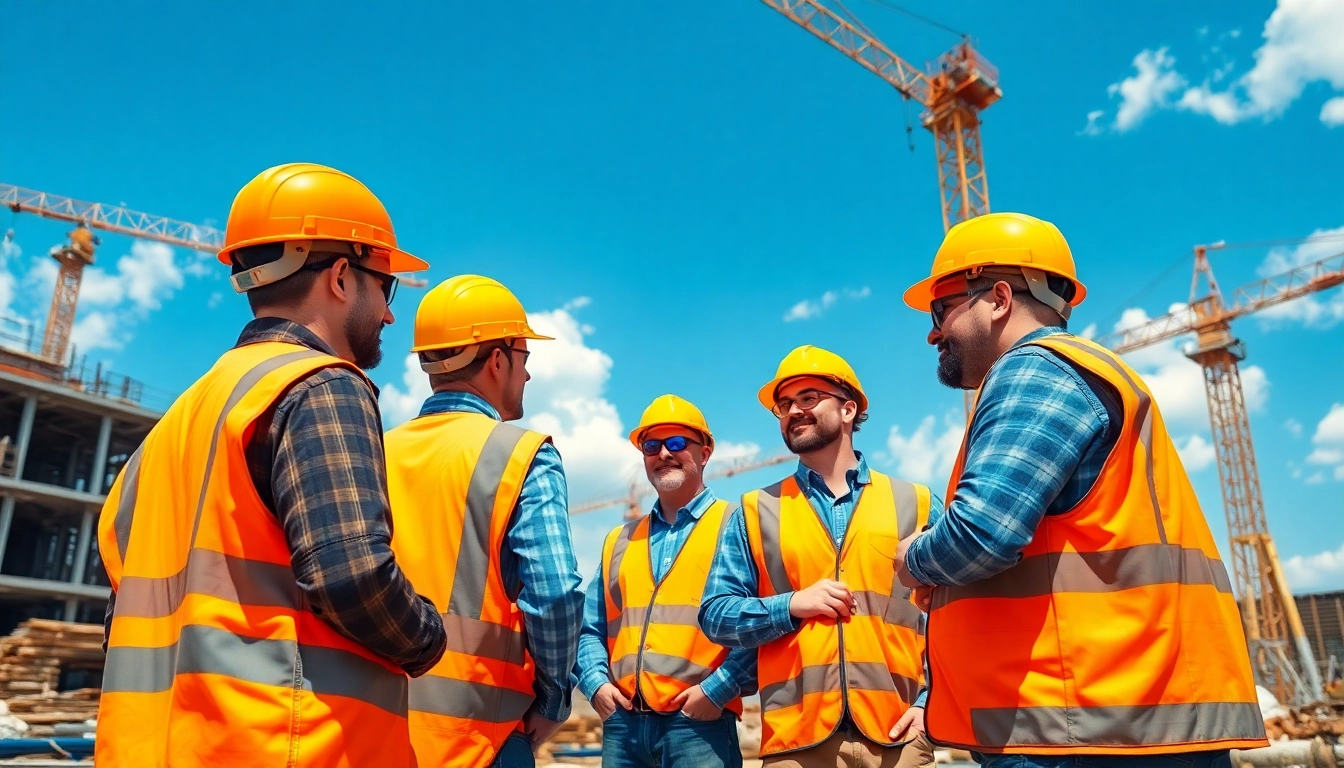
Safety should always be a priority in construction projects. Implementing comprehensive safety policies and training programs can help prevent accidents and injuries on-site. Regular safety audits and compliance checks can identify potential hazards and promote a culture of safety among workers.
Recent advancements in technology also allow for innovative safety equipment and strategies, such as drones for site inspections, virtual reality simulations for training, and wearables that monitor workers' health and safety. Investing in safety not only protects workers but also enhances overall project efficiency and reputation.
Leveraging Technology and Innovation
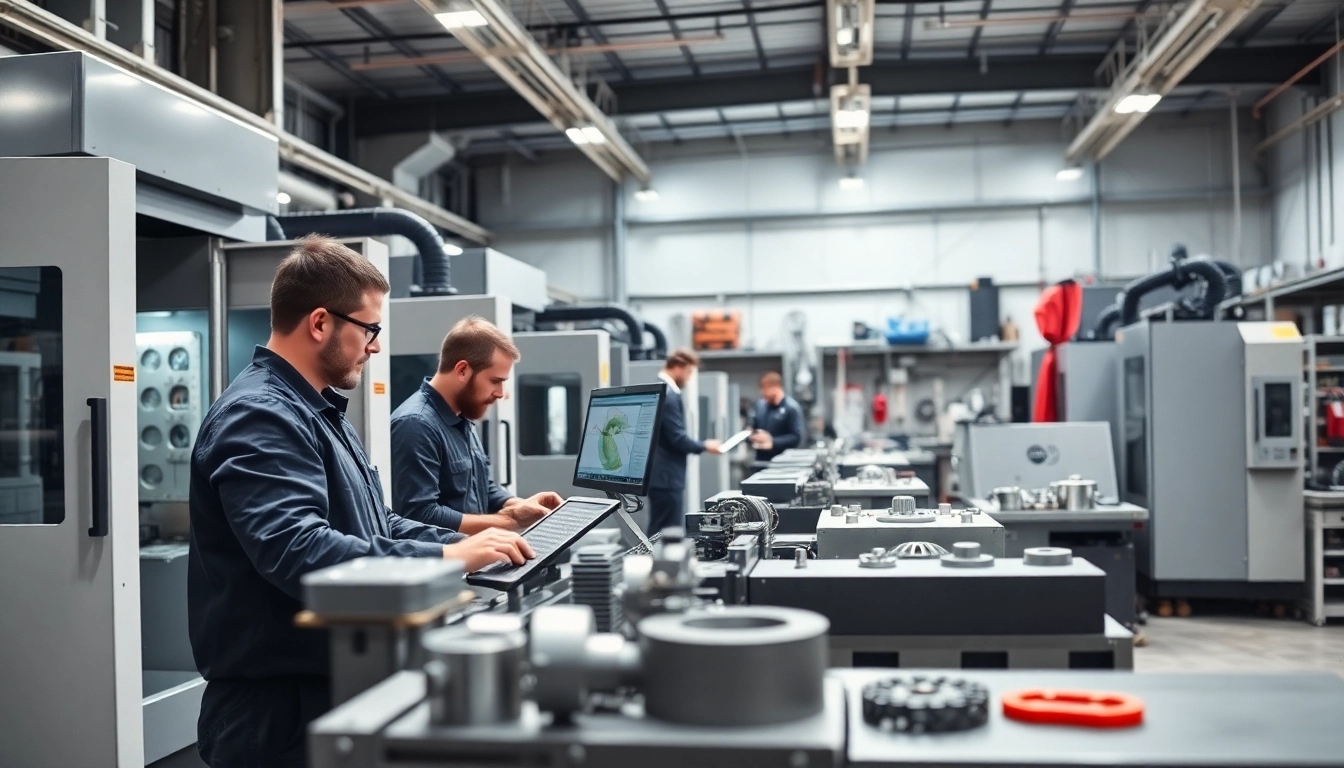
The emergence of technology has transformed construction practices, offering innovative solutions that streamline operations and improve results. Adopting Building Information Modeling (BIM), for instance, allows for better collaboration, design accuracy, and cost management among team members.
Emerging technologies, such as modular construction and 3D printing, also facilitate faster build times and reduced waste. Embracing these new methodologies can provide a competitive edge in the fast-paced Austin market, ultimately leading to enhanced productivity and lower costs.
Building Community Relationships
Fostering positive relationships within the community can significantly contribute to successful construction outcomes. Engaging with local stakeholders—residents, businesses, and government—can help address concerns proactively and build trust.
Involving the community in the planning stages can also lead to designs that better reflect local needs and preferences. Furthermore, establishing partnerships with local organizations can enhance a project's visibility and promote shared values, ultimately leading to smoother project implementation and acceptance.
The Future of Construction in Austin
As Austin's growth trajectory continues, the construction industry will need to adapt to an array of emerging trends and challenges. Key indicators provide insights into the future outlook of construction in the region.
Predictions for 2024 and Beyond
The ongoing evolution of Austin's construction industry suggests that the city will continue to expand its residential, commercial, and infrastructure sectors. Despite challenges such as labor shortages and regulatory hurdles, ongoing economic growth indicates sustained demand for new projects.
Forecasts suggest that while there may be fluctuations in construction starts, projects will increasingly focus on sustainability and community integration. Stakeholders need to remain informed about market shifts and adapt strategies accordingly in order to remain competitive.
Emerging Trends to Watch
Several emerging trends are set to shape the future of construction in Austin. Sustainability will remain at the forefront, with an increased emphasis on net-zero energy buildings and the use of renewable resources. Additionally, the rise of smart homes and smart buildings will revolutionize the way energy, water, and heating systems function, ideally reducing environmental footprints.
Urban infill development will also gain traction, allowing for the utilization of existing spaces rather than expanding outward, thereby minimizing environmental destruction and preserving rural areas. As Austin becomes increasingly dense, these small-scale transformations will contribute significantly to the city’s overall growth strategy.
Role of Technology in Future Projects
Technology's influence on construction is only expected to grow in the upcoming years. Advancements in artificial intelligence (AI), machine learning, and automation will likely transform project management, allowing for improved planning and execution.
Furthermore, the integration of virtual reality (VR) and augmented reality (AR) into the construction process can enhance design visualization for clients, ultimately leading to greater customer satisfaction. Staying ahead of technological advancements will be crucial for stakeholders striving for success in the highly competitive Austin construction industry.