Understanding the Microwave Oven Basics
What is a Microwave Oven?
A Microwave Oven is a kitchen appliance that utilizes electromagnetic radiation in the microwave frequency range to cook or heat food. It fundamentally revolutionized cooking practices by significantly reducing cooking time compared to traditional ovens or stovetops. Widely accepted for its convenience, the Microwave Oven is now a staple in households and commercial kitchens alike. It primarily heats food by causing water molecules in the food to vibrate, generating heat through friction.
How Does a Microwave Oven Work?
The operation of a Microwave Oven is based on the principles of electromagnetic radiation. When you operate the oven, an electronic circuit generates microwaves, which are then directed into the cooking chamber. Here, the microwaves penetrate food, energizing water molecules and causing them to vibrate. This rapid movement generates heat, which cooks the food. Understanding this process helps in mastering the use of a Microwave Oven, allowing you to customize cooking times and methods for optimal results. It is a marvel of technology that combines physics with culinary art.
Types of Microwave Ovens Available
Microwave Ovens come in several types to cater to specific needs. The main types include:
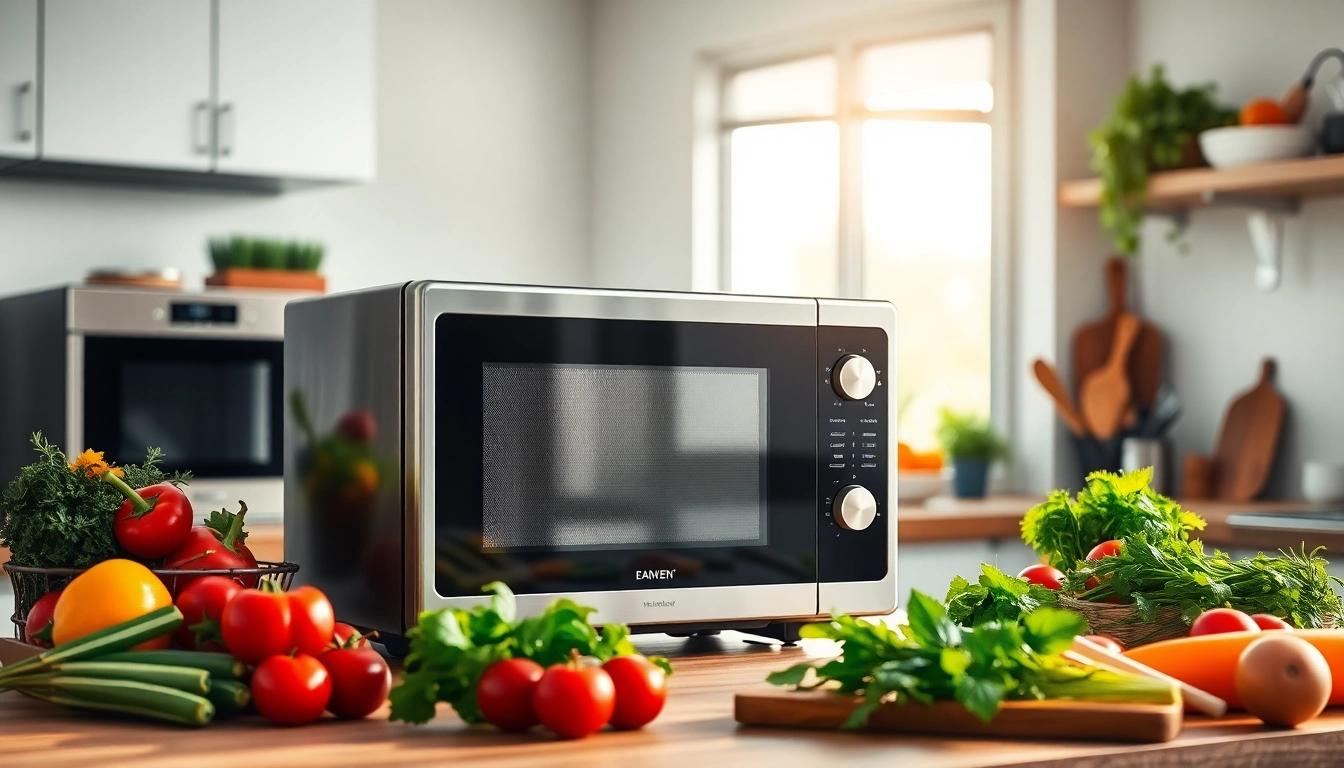
- Countertop Microwave Ovens: These are standalone units that are easy to place in any kitchen space. They are suitable for most households and are available in various sizes and features.
- Built-In Microwave Ovens: These are designed to fit seamlessly into kitchen cabinetry and provide a more integrated and aesthetically pleasing look. They often come with advanced features and are more expensive.
- Over-the-Range Microwave Ovens: This combines a microwave with a range hood, saving counter space while providing ventilation. It serves dual functions and is ideal for smaller kitchens.
- Microwave Oven Combos: These combine microwave and conventional heating methods, allowing for a versatile cooking experience, including grilling and baking features.
Choosing the Right Microwave Oven for Your Needs
Factors to Consider Before Buying a Microwave Oven
Selecting the right Microwave Oven involves considering several factors such as size, wattage, features, and type. Space is an essential consideration. You must measure the available area in your kitchen accurately to ensure that the Microwave Oven fits well. Wattage impacts cooking speed – generally, higher wattage leads to faster cooking times. Additionally, you should consider your cooking habits: if you primarily heat food, basic models suffice, but if you enjoy cooking and experimenting, advanced features can enhance your experience.
Comparing Countertop and Built-In Microwave Ovens
Countertop Microwave Ovens offer flexibility, portability, and a wide variety of options. They can be used anywhere in the kitchen or even moved to other areas of the home if necessary. On the other hand, Built-In Microwave Ovens are designed for permanent fixtures and usually offer more advanced functionalities, greater cooking capacity, and streamlined appearances. They can also increase your kitchen's overall home value. Consider your preferences and kitchen design before deciding which type suits your needs better.
Essential Features to Look for in a Microwave Oven
When shopping for a Microwave Oven, it's crucial to identify essential features that will enhance your cooking experience:
- Auto Cook Settings: These pre-programmed settings allow you to cook various meals without always needing to manually set times and power levels.
- Turntable: A rotating plate ensures even cooking by distributing microwaves uniformly across the food.
- Child Lock: Ensures safety by preventing accidental use, which is crucial if you have small children around.
- Easy-to-Read Display: A clear digital display helps in monitoring cooking times and settings without confusion.
- Power Levels: Multiple settings allow for more flexibility in cooking different types of food.
Using Your Microwave Oven Efficiently
Best Practices for Heating and Cooking
To optimize the performance of your Microwave Oven, adhere to the following best practices:
- Use Appropriate Containers: Always use microwave-safe containers to avoid melting or chemical leaching into your food.
- Cover Your Food: Covering food with a microwave-safe lid or film can help retain moisture and heat evenly.
- Stir and Rotate: Stir foods midway through cooking and rotate containers to ensure even heating.
- Let Food Stand: Allow food to stand for a few minutes after cooking. This resting period enables the heat to distribute evenly.
Microwave Safe Cookware: What to Use
Using the correct type of cookware is vital to ensure safety and optimal cooking results. Microwave-safe glass, ceramic, and some plastics are excellent options. Avoid using metal containers, as they can cause sparks and fire hazards. Be cautious with plastic ware; only use those labeled "microwave-safe" to ensure they won't warp, melt, or leach harmful chemicals into your food when heated.
How to Avoid Common Microwave Cooking Mistakes
Many often encounter pitfalls when using a Microwave Oven. Below are common mistakes to watch out for:
- Overheating: Avoid overcooking food, which results in a rubbery texture or loss of nutrients.
- Ineffective Heating: Placing large, dense food items can lead to uneven cooking. Cut food into smaller pieces for consistent results.
- Neglecting to Cover: Failing to cover food can result in splatters that make cleaning a hassle.
- Not Using the Correct Power Level: Cooking everything at full power can lead to undesirable results. Adjust power levels depending on the dish.
Space-Saving Solutions with a Microwave Oven
Creative Ways to Arrange Your Kitchen for Optimal Space
Maximizing your kitchen's space can significantly improve efficiency. Consider these creative strategies:
- Utilize Corners: Corner shelves or microwave carts can fit snugly into space that is typically hard to utilize.
- Beneath Counters: If your kitchen has sufficient cabinetry, consider a built-in Microwave Oven under the counter to save countertop space.
- Wall-Mounted Ovens: Over-the-range models combine storage and cooking in one appliance, freeing up valuable counter space.
Kitchen Storage Hacks with Microwave Ovens
Integrating your Microwave Oven into your overall storage scheme can greatly enhance your kitchen's organization:
- Shelves Above: Install shelves above the Microwave Oven to store spices or essential kitchen tools for easy access.
- Organized Baskets: Use decorative baskets on the counter near your Microwave Oven to hold frequently used items, making them more accessible.
Utilizing Vertical Space with a Microwave Oven
Adopting vertical storage solutions can vastly improve your kitchen space. Tall cabinets or shelves where a Microwave Oven is placed on the countertop can create a more efficient layout. Consider using stackable storage bins in close proximity, allowing for maximum use of the available vertical area.
Frequently Asked Questions About Microwave Ovens
How long can you cook food in a Microwave Oven?
Cooking times in a Microwave Oven vary by food type and quantity. Most items cook in ranges from a few minutes for leftovers to 10-15 minutes for larger dishes. Always check recommended times for each food type for best results.
Can you defrost meat in a Microwave Oven?
Yes, a Microwave Oven is effective for defrosting meat. Most models have a specific defrost setting that regulates power levels to prevent partial cooking while the meat thaws.
What are the benefits of a microwave oven over traditional cooking?
Microwave Ovens cook food faster and are convenient for reheating leftovers. They use less energy compared to conventional ovens and are ideal for small spaces, making them a popular choice in modern kitchens.
Is it safe to microwave plastic containers?
Only use plastic containers labeled as "microwave-safe." Avoid conventional plastic, as it can melt or leach harmful chemicals into your food when heated.
What maintenance does a Microwave Oven require?
Regularly clean the interior and exterior with a damp cloth to prevent food build-up. Inspect the door seal and hinges for proper functioning, and avoid using abrasive cleaning products.