1. Understanding the Warehouse Concept
1.1 The Definition of a Warehouse
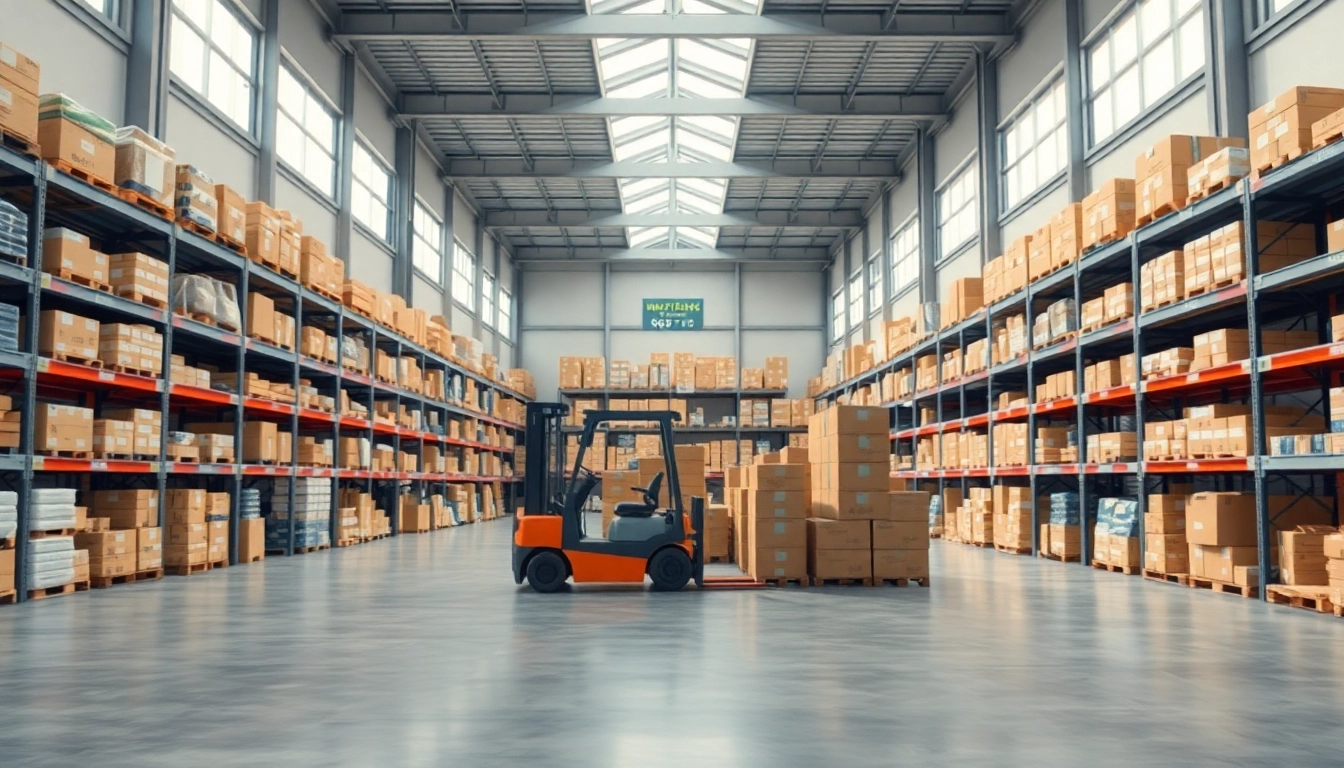
A warehouse is a designated space where goods and products are stored until they are needed for distribution or sale. Typically, these structures are large and can be found in industrial parks, near transport hubs, or on the outskirts of urban areas. Warehousing plays a crucial role in the supply chain, effectively acting as a bridge between manufacturers and retailers or consumers.
1.2 Types of Warehouses
There are various types of warehouses designed to serve different functions within the supply chain. Here are some of the most common types:
- General Warehouses: These are conventional storage spaces that accommodate a variety of goods.
- Refrigerated Warehouses: These are temperature-controlled facilities ideal for storing perishable items.
- Distribution Centers: These are specialized warehouses designed for the rapid flow of goods to customers.
- Automated Warehouses: These facilities employ robotics and advanced technology for efficient storage and retrieval operations.
- Bonded Warehouses: These are secure facilities where foreign goods are stored until customs duties are paid.
1.3 Importance of Warehousing in Supply Chain
Warehousing is critical in the supply chain for several reasons:
- Inventory Management: Warehouses enable businesses to manage inventory levels efficiently, avoiding stockouts or overstock situations.
- Cost Savings: Storing goods in bulk can lower shipping costs and improve prices for consumers.
- Product Flow: Warehouses facilitate the smooth flow of products from manufacturers to retailers, ensuring timely delivery.
- Flexibility: Companies can adapt to demand fluctuations by leveraging warehouse space for temporary storage.
2. Key Warehouse Operations
2.1 Inventory Management Techniques
Efficient inventory management is vital for the functionality of a warehouse. Companies can employ several techniques, including:
- First In, First Out (FIFO): This method ensures that older stock is sold before newer stock, especially important for perishable goods.
- Just-In-Time (JIT): This inventory strategy minimizes storage costs by receiving goods only as they are needed.
- ABC Analysis: This technique categorizes inventory items based on their importance, allowing better resource allocation for management.
2.2 Order Fulfillment Processes
Streamlining order fulfillment processes is fundamental to customer satisfaction. Here are the key steps involved:
- Order Receipt: Orders can be received through various channels, including online platforms, over the phone, or via fax.
- Order Processing: The team verifies stock availability and allocates items for packing.
- Picking: Warehouse staff or robots gather items from storage spaces based on the order.
- Packing: Items are securely packaged to prevent damage during transit.
- Shipping: Packages are dispatched to customers using the most efficient logistics options available.
2.3 Safety Protocols for Warehouse Operations
Maintaining safety in warehouse operations is paramount. Here are essential safety protocols that should be implemented:
- Training: Ensure all staff receive proper training on equipment use and safety procedures.
- Personal Protective Equipment (PPE): Encourage the use of safety gear such as gloves, helmets, and steel-toed boots.
- Regular Inspections: Conduct frequent audits to identify hazards and maintain equipment.
- Emergency Protocols: Establish clear guidelines for responding to accidents and emergencies within the facility.
3. Technology and Automation in Warehousing
3.1 Warehouse Management Systems (WMS)
A Warehouse Management System (WMS) is software that manages warehouse operations from the moment goods enter a warehouse until they are sent out. Key functionalities include:
- Inventory Tracking: WMS enables real-time tracking of stock levels.
- Order Management: Helps streamline order processing and logistics.
- Data Analysis: Offers insights into warehouse efficiencies and areas for improvement.
3.2 Implementing Automation Solutions
Integrating automation can vastly improve warehouse operations. Here are a few solutions to consider:
- Automated Guided Vehicles (AGVs): Robots that transport materials throughout the warehouse.
- Conveyors: Systems that move items swiftly from one area to another, reducing manual labor and increasing speed.
- Robotic Picking: Robots equipped with vision systems can identify and pick items, boosting efficiency.
3.3 Impact of Technology on Efficiency
The integration of technology in warehousing has a significant impact on operational efficiency:
- Improved Accuracy: Automated systems reduce human error, leading to higher accuracy rates in order fulfillment.
- Faster Processing Times: Automation speeds up picking, packing, and shipping processes.
- Cost Reduction: With increased efficiency, businesses can lower labor costs and overhead expenses.
4. Best Practices for Warehouse Optimization
4.1 Layout Design Considerations
The layout of a warehouse significantly affects its operations. Here are some best practices for designing an efficient layout:
- Flow Design: Organize the layout to optimize the flow of goods through receiving, storage, picking, and shipping areas.
- Accessibility: Ensure that commonly picked items are easily accessible, minimizing travel time.
4.2 Effective Space Utilization Strategies
Maximizing space within the warehouse is crucial for optimizing operations. Strategies include:
- Vertical Storage: Utilize vertical space with high racks and shelving systems.
- Multi-level Mezzanines: Incorporate multi-level shelving to create more storage space without expanding the footprint.
4.3 Performance Metrics and KPIs
To measure the effectiveness of warehouse operations, organizations should track specific metrics and Key Performance Indicators (KPIs):
- Order Accuracy: Percentage of orders shipped correctly.
- Pick Rate: Number of items picked per hour.
- Inventory Turnover Rate: How often inventory is cycled through in a given period.
5. Future Trends in Warehousing
5.1 Sustainability Practices in Warehousing
With increasing awareness of environmental issues, sustainability practices in warehousing are becoming crucial. These include:
- Energy Efficiency Measures: Utilizing energy-efficient lighting and equipment.
- Waste Reduction: Implementing recycling programs and reducing packaging waste.
5.2 The Rise of E-commerce Warehousing
The boom in e-commerce has led to a shift in warehouse requirements. Key considerations include:
- Location: Warehouses are now often located closer to urban centers to facilitate quicker delivery.
- Rapid Fulfillment: Increasing the speed of fulfillment processes to meet customer expectations.
5.3 Predictions for Warehousing Innovations
Looking ahead, several innovations are poised to transform warehousing:
- Artificial Intelligence (AI): AI will play a significant role in predictive analytics for inventory management.
- Blockchain Technology: Increasing transparency in supply chains and improving tracking capabilities.
- Smart Warehouses: The incorporation of IoT devices will allow for real-time monitoring and data collection.